
At The Montessori Academy Edison Lakes, peace education is not a poster on the wall. It is something we practice every day.
Dr. Maria Montessori believed that education is the most powerful tool for building a more peaceful world. She wrote that establishing lasting peace begins with the child. In Montessori classrooms, peace is not taught through lectures. It is cultivated through respect, understanding, and deep appreciation for the human experience.
One of the most meaningful ways we live this philosophy is by ensuring that the holidays and traditions of our families are seen and represented in our classrooms.
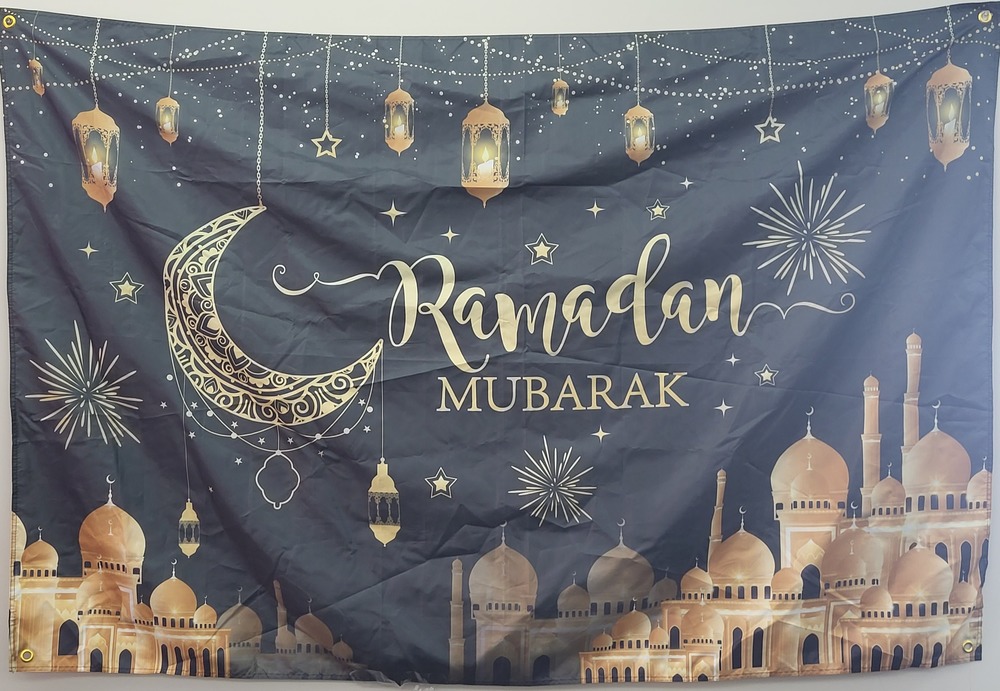
Recently, our hallways and learning spaces reflected the richness of our community. A “Ramadan Mubarak” banner welcomed students at the classroom door. A menorah and dreidels were displayed alongside books about Hanukkah. A nativity scene invited conversation about Christmas traditions. A beautiful Kwanzaa kinara reminded us of the principles of unity and purpose. Seasonal decorations and cultural artifacts sat side by side, not competing, but coexisting.
This is not about checking a box. It is about belonging.
In a Montessori environment, children learn through observation and experience. When they see their own traditions honored, they feel valued. When they see the traditions of others honored, they learn respect. Curiosity replaces fear. Conversation replaces assumption. Understanding replaces division.
Montessori education emphasizes cosmic education, the idea that we are all interconnected and part of a larger human story. By thoughtfully acknowledging diverse holidays and cultural celebrations, we help children see that differences are not something to be wary of. They are something to learn from.
This is how peace education becomes tangible.
It happens when a child asks a classmate about fasting during Ramadan.
It happens when a student explains the story of Hanukkah to a friend.
It happens when children recognize that celebrations may look different in each home, yet every family’s traditions matter.
Peace is built in these small moments.
Belonging does not happen by accident. It is intentionally prepared, just like every shelf and lesson in a Montessori classroom. When children grow up in environments where their identities are affirmed and where they are invited to understand others, they develop empathy, confidence, and global awareness.
That is the heart of Montessori peace education.
At TMA, we are not simply teaching academics. We are nurturing thoughtful, compassionate human beings who understand that a peaceful world begins with seeing one another.
And it starts right in the classroom.